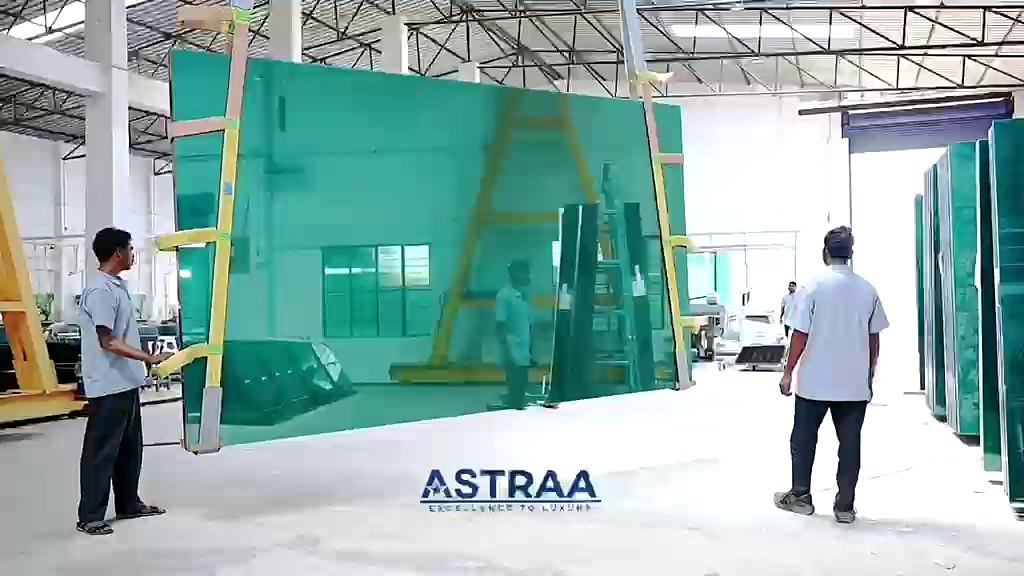
How we make it
Float sheet to finished cooktop glass.
Every top moves through one plant in one direction — cutting, edging, washing, drilling, printing, tempering, inspection, dispatch. Glass never crosses back on itself, and pieces in, good and lost are recorded at each stage, every day.
On the floor
Ten stages, one forward flow.
Follow a sheet through the plant — from the CNC bed to the packed, counted crate.
Cutting & edging
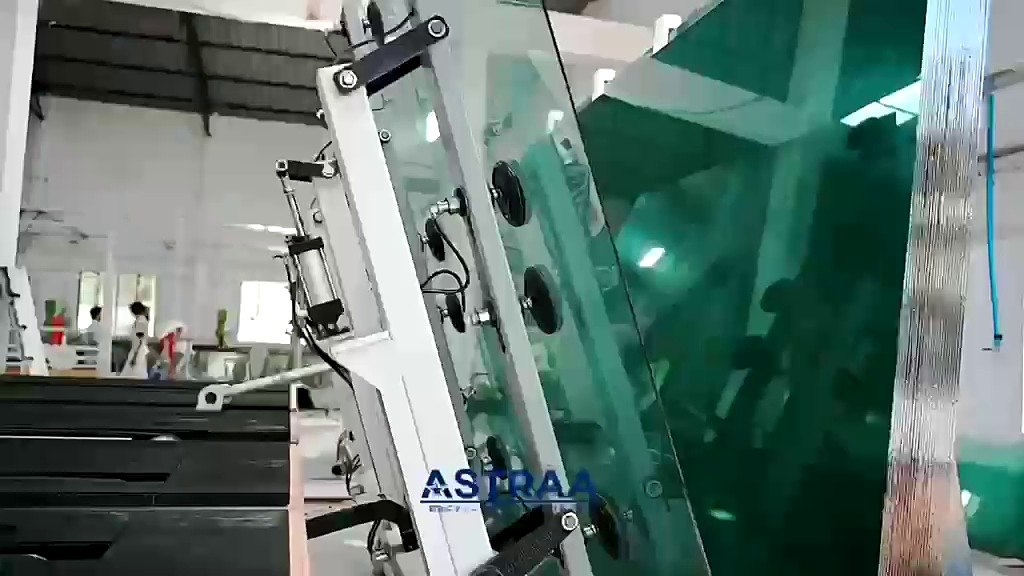
Float glass is cut to size on the CNC line to your drawing, then a double-edger seams and polishes all four edges.
Washing
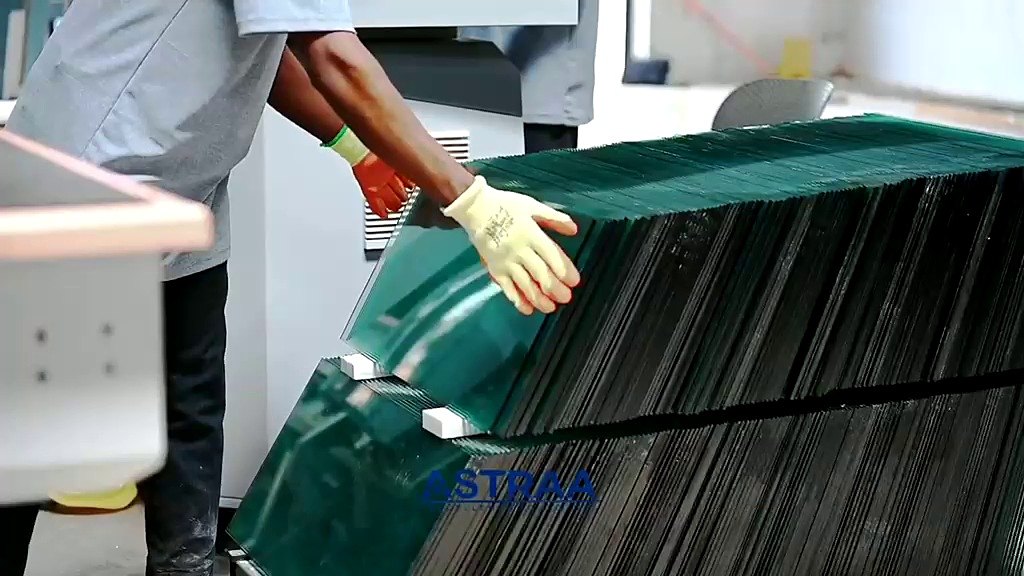
Glass is washed to clear grinding swarf before drilling, and again to leave a clean, dry face for printing.
Hole drilling
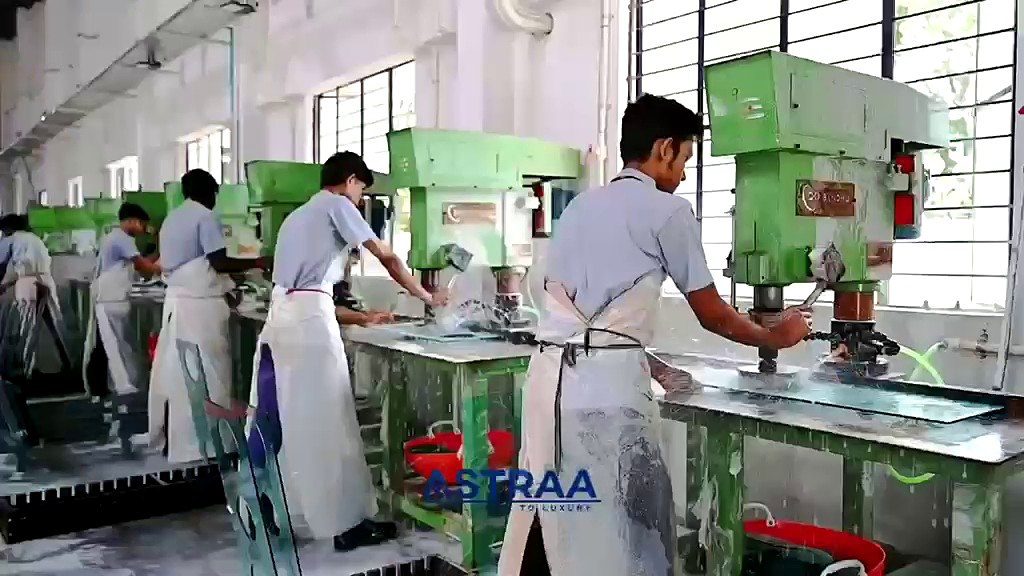
Burner cut-outs and fixing holes are drilled and the corners radiused — positioned before toughening, for full strength.
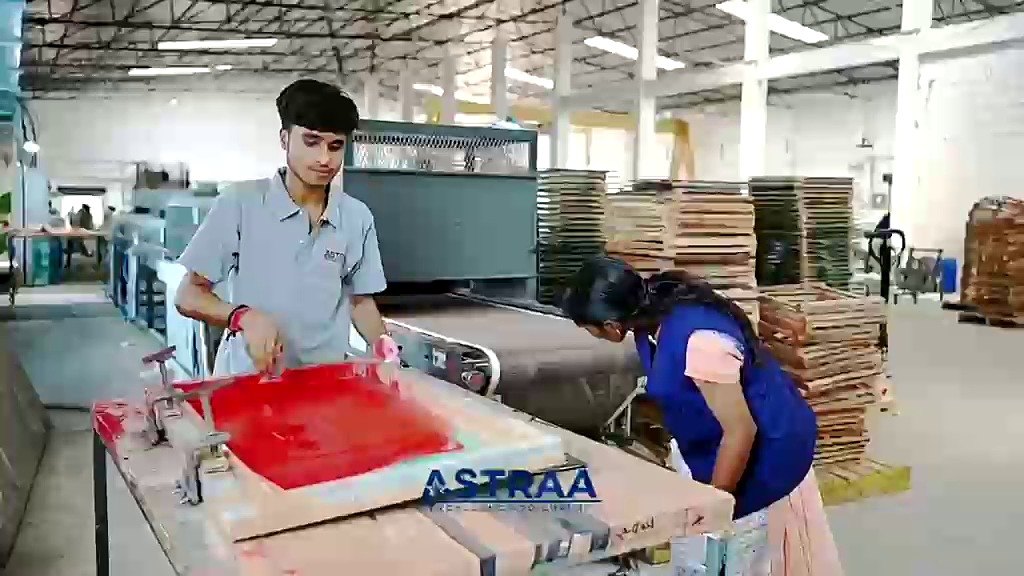
Printing & coating
Brand logos and burner rings go down in ceramic ink; a digital printer lays in patterns; a roller-coater gives full-body black, IR-cured.
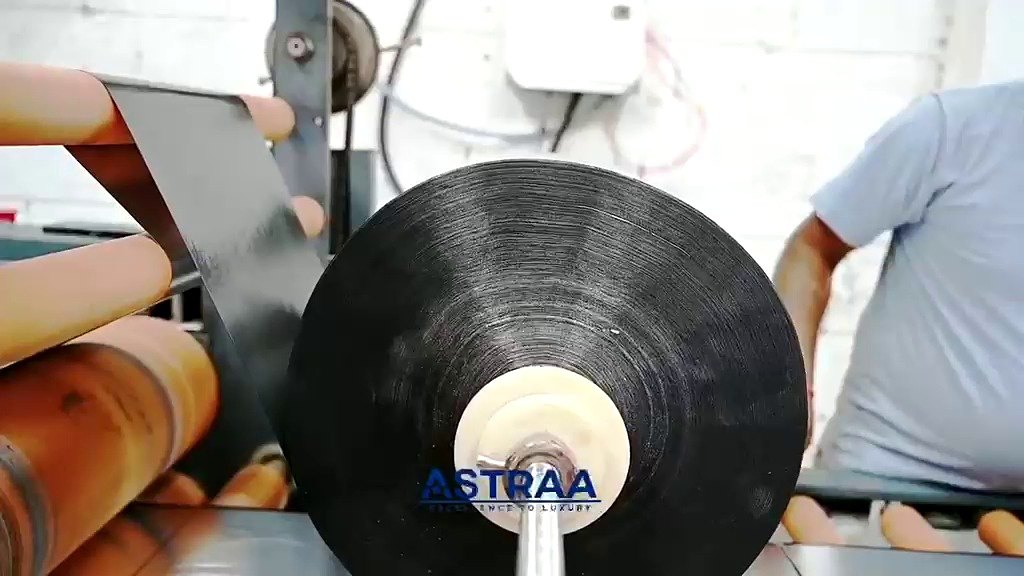
Tempering
The furnace fires the print in permanently and toughens the glass — verified to safety-glass fragmentation by BIS-accredited testing.
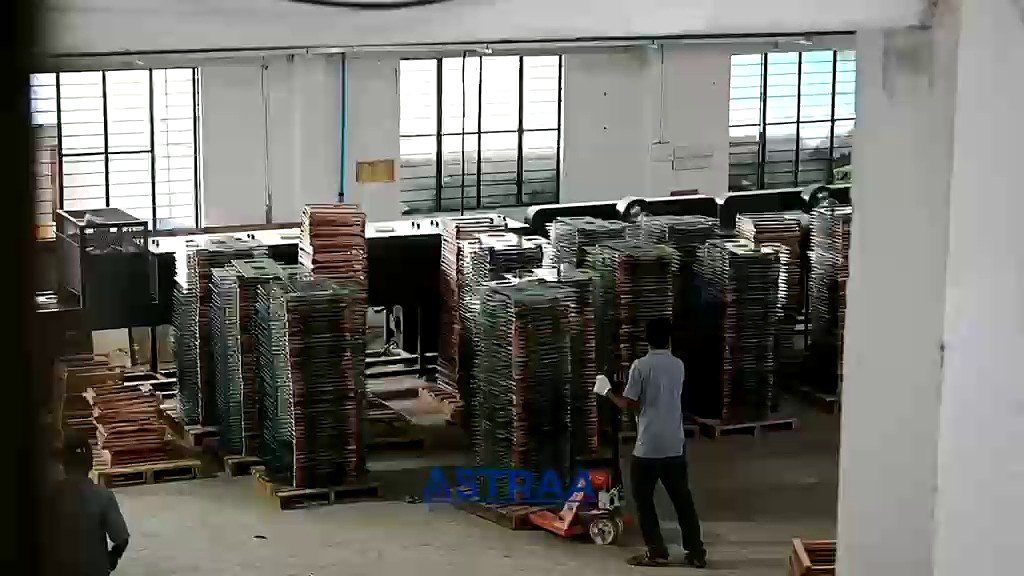
Inspection, packing & dispatch
A 100% visual and dimensional check, with defects logged by stage — then crated, counted per crate and shipped.
Tracked, not reconstructed
Yield and breakage, visible every day.
Pieces in, pieces good and pieces lost are logged at each stage in our own production system — so yield, breakage and rework show up per day and per order, not at month-end.
stages, one roof
pieces inspected
See it for yourself
Walk the line, end to end.
Thirty-five seconds on the floor — from float sheet on the CNC bed to packed crates, and the team that makes it. And you’re welcome to see it in person.
Plot 77-I, J, K & L, Hootagalli Industrial Area, Koorgalli, Mysuru 570018 · Karnataka
Have a drawing to run?
Send it over and we’ll come back with a specification, a plan and a price for your programme.